

Trinitarian Ontology Research in Toulouse (9 September 2026)
The Francophone Group on Trinitarian Ontology continues its research journey in collaboration with the Trialogo Association.
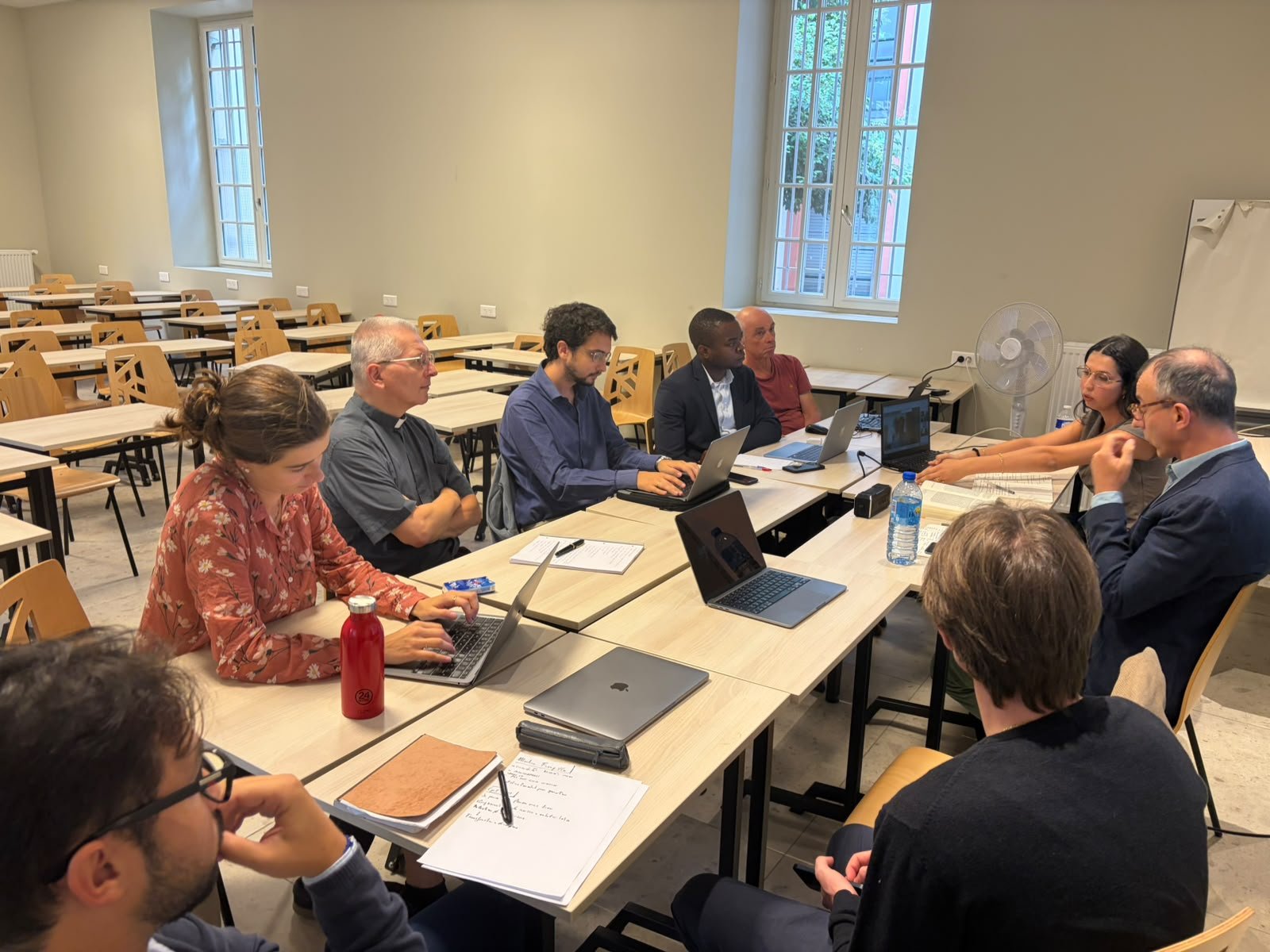
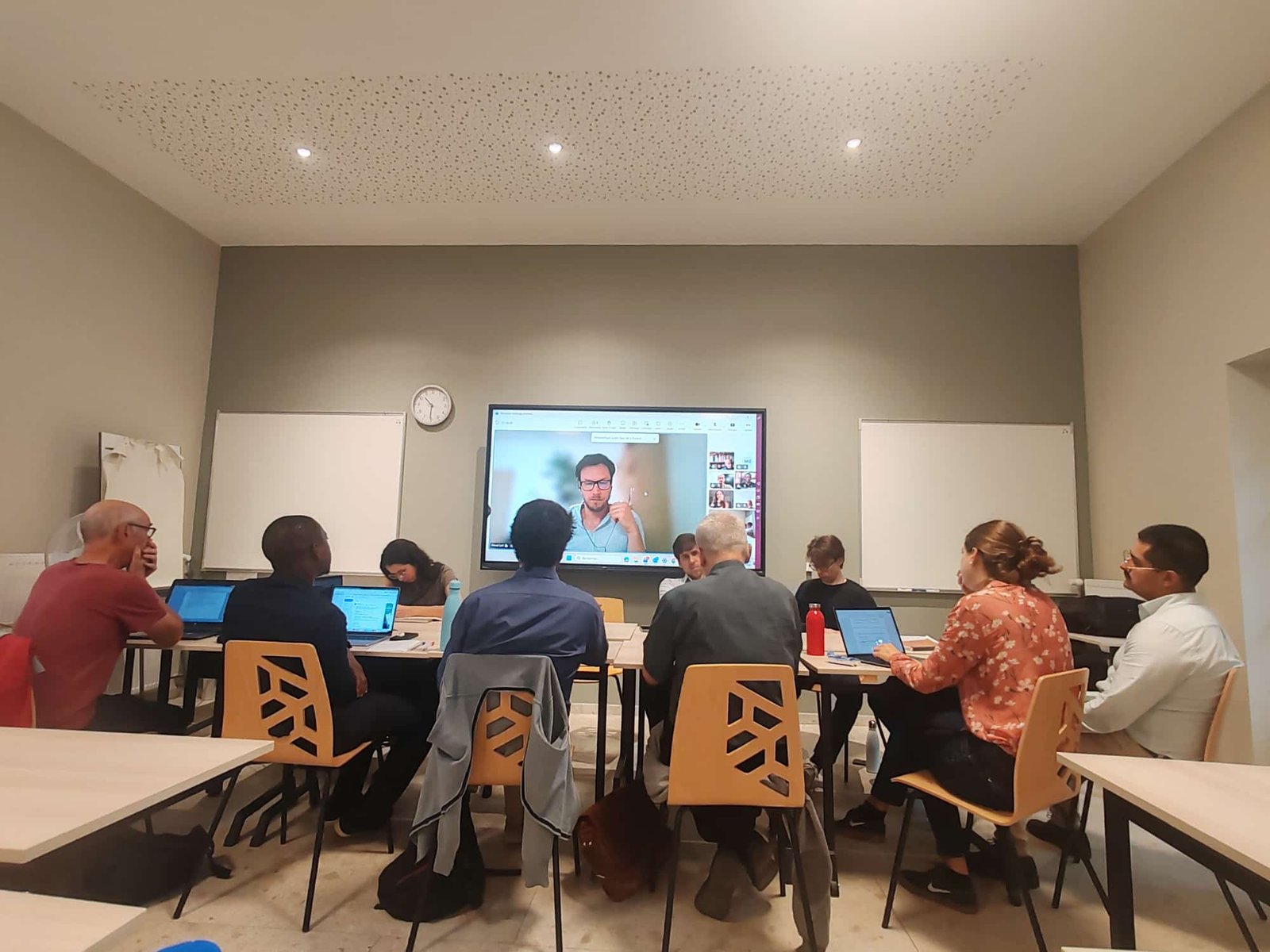
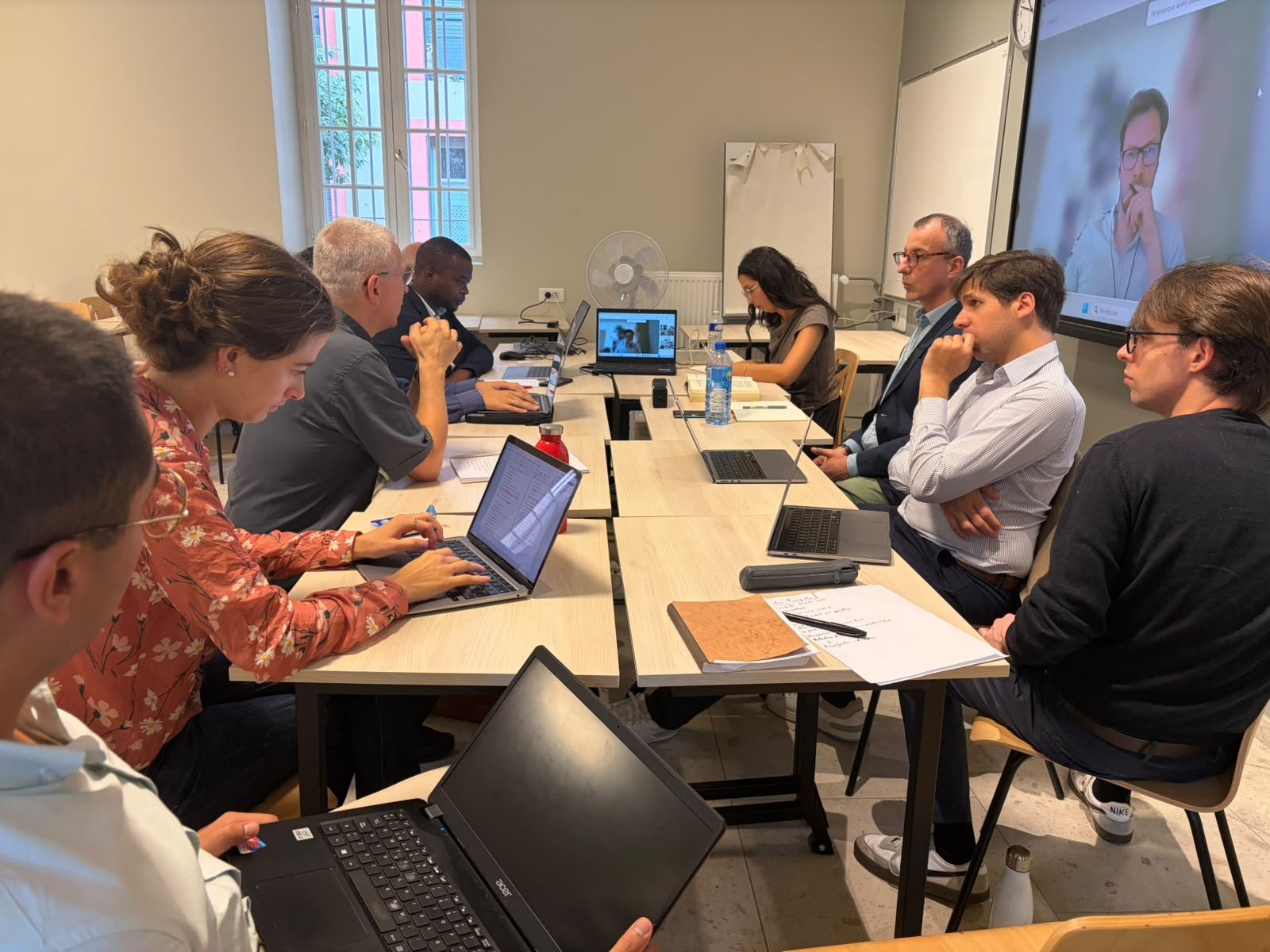
The Francophone Group on Trinitarian Ontology continues its research journey in collaboration with the Trialogo Association within the framework of the Chaire d’enseignement et de recherche “Philosophie du Christianisme” of the Faculté de Philosophie and the UR CERES of the Institut Catholique de Toulouse, and the PSR “Trinité : ressources, fécondité et présence d’un thème chrétien”.
Following the June 2026 meeting, the Group reconvened, both in person and online, on 9 September, continuing work that takes the Trinitarian mystery as a theoretical locus from which to rethink some of the great categories that traverse the history of philosophy and theology: time, thought, relation, language, image, gift, unity and plurality. The day took on particular significance during the fiftieth anniversary of Klaus Hemmerle’s Theses for a Trinitarian Ontology. Half a century after their publication, the Theses retain their full capacity to challenge thought and open new directions of research: the session was thus dedicated to discussion of this foundational text and other writings that accompany and deepen its theoretical horizon.
Martina Frongillo opened the proceedings with Entre visible et invisible. La Trinité comme paradigme de l’image, interrogating the relational structure of the image from the relationship between the invisible Father and the visible Son and the role of the Spirit as the light in which that relationship becomes recognizable. Cyril Dunaj, in Penser à partir de l’unité chez Klaus Hemmerle, showed how life thought from unity opens the passage from individual subjectivity to the communal dimension of the “we”. With La question de la pensée chez Klaus Hemmerle, Raul Buffo explored the relationship between thought and the sacred in Hemmerle in dialogue with the Heideggerian inheritance. Emanuele Iezzoni, in L’intellectus unitatis et les défis de l’anthropologie contemporaine selon Klaus Hemmerle, brought to light the anthropological implications of a thought capable of surpassing the isolation of the “Ich denke”. Andrea Bellantone closed the session with Temps et langage comme témoignages du pluralisme originaire, taking up the Hemmerlian notion of “Mehrursprünglichkeit”: the origin, he showed, can be thought from a plurality capable of allowing the irreducible specificity of each term to emerge.
The September meeting marks a new stage in a journey far from concluded: the Group will reconvene in October 2026 and June 2027, continuing the dialogue with Hemmerle’s work and opening it to other figures in contemporary philosophy and theology. In parallel, work continues on translating the texts of Klaus Hemmerle and authors close to him such as Bernhard Welte, together with preparation for the publication of contributions developed over the course of the Seminar’s various sessions.
Meeting after meeting, a Francophone space of shared research thus takes shape, in which Trinitarian ontology returns to interrogate relation, plurality, subjectivity, and the relationship with the other. A place of dialogue in which philosophy and theology can once again engage with the question of being, taking communion itself as the form capable of orienting its thought.


